Trending

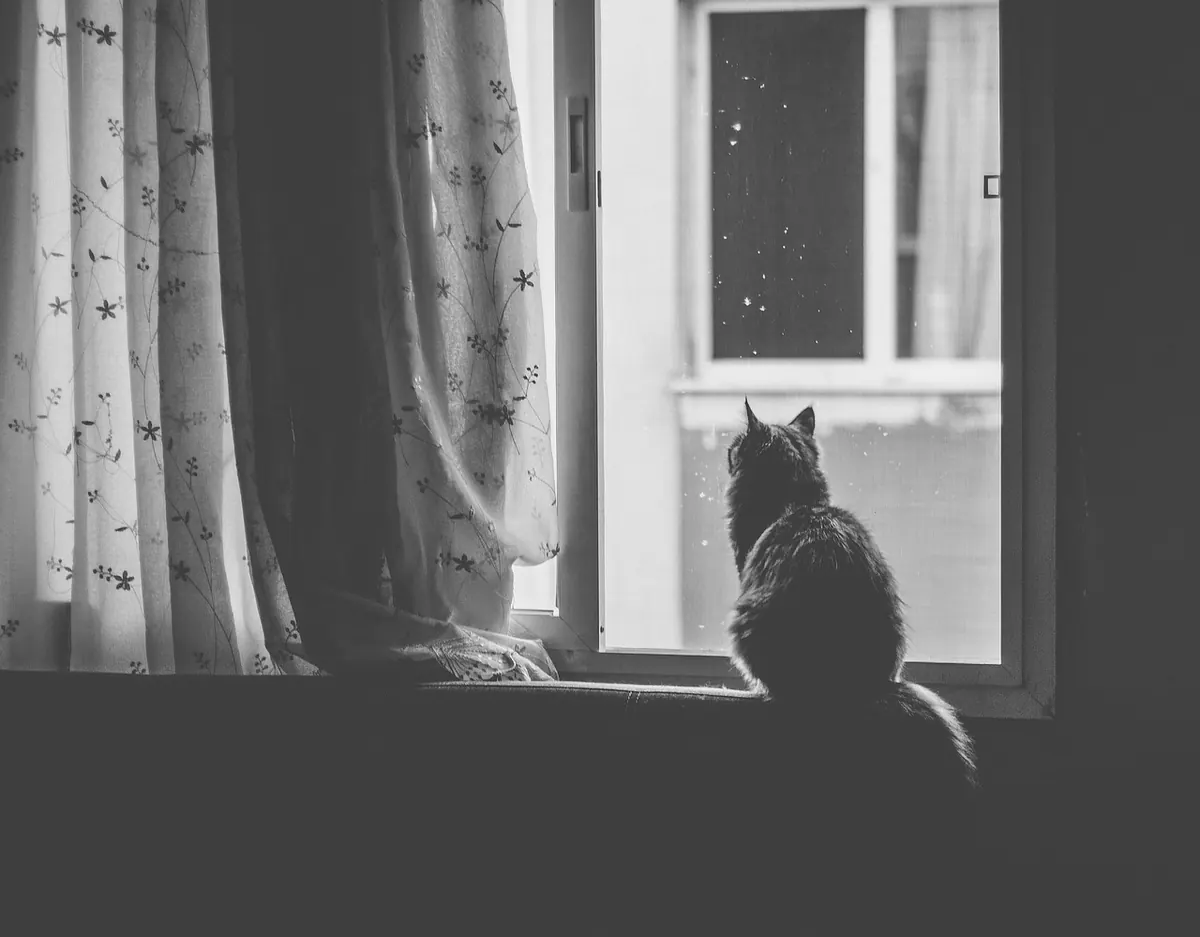
Some weeks don't hand you a single disaster to point at. They just leak. A deadline shifts, a conversation goes sideways, sleep gets thin, and by Friday you're sitting with your notebook feeling like something is wrong with you rather than with the week you just had. That's the moment reflection can turn into rumination — the same three thoughts, rewritten in different handwriting, for forty minutes.
The difference between the two isn't how you feel about the week. It's structure. Reflection has a container, a direction, and an end. Rumination has none of those things, which is exactly why it feels endless. What follows is a way to open the page on a hard week without letting the page open you.
The first sentence you write on a bad week is usually a verdict: I handled that badly, or everything is slipping. Verdicts are hard to argue with once they're on paper. So write something more boring first.
Before you touch what happened, spend three lines on where you physically are and what your body is doing. Not poetic — literal. I'm at the kitchen table. The radiator is ticking. My jaw aches and my shoulders are up near my ears. It takes ninety seconds and it does two things: it slows the rush toward interpretation, and it reminds you that you are a person sitting in a room, not just a bad week with a pen.
If the week was genuinely rough — a loss, a scare, a conflict that's still live — this step matters more, not less. You can't think clearly from inside a clenched jaw. If the difficult weeks have been stacking up for months rather than arriving one at a time, that's worth talking through with a doctor or a therapist rather than only with a notebook.
An open-ended journaling session on a hard week is a trap. Fifteen minutes becomes an hour, the hour becomes a mood that follows you into the evening, and the notebook starts to feel like a room you don't want to enter. Boundaries fix this, and they're simple:
One more boundary worth naming: the journal is not a draft folder. If you find yourself writing a message to a colleague or a relative, stop. Write the feeling, then write the conversation I actually need to have is with ___, and leave it there.
Hard weeks compress. A missed call and a short night's sleep become I'm falling apart — not because you're irrational, but because the mind summarizes fast and summarizes unkindly. So split the page.
On the left, list what actually happened, in plain language a stranger would accept. The deadline moved up two days. I missed my sister's call. I slept badly three nights. I said yes to the extra project on Wednesday. On the right, list the verdicts you've been carrying. I can't keep up. Nobody at work notices. I'm a flaky sibling.
Don't argue with the verdicts or try to replace them with nicer ones. Just label them as verdicts. Most of them will turn out to be conclusions drawn from three data points on very little sleep. Some of them will be partly true, and those are the useful ones — they point at something you can actually change, like the Wednesday yes.
Good reflection questions move you sideways. They don't ask you to re-feel the worst hour in higher resolution; they ask you to notice something you missed. Here are seven. Pick three — not all seven, not the ones that sound most flattering, just three.
Answer each in two or three sentences and stop. The instinct to keep writing past the answer is usually the instinct to punish yourself with it.
A lot of hard-week spiraling comes from carrying things that were never yours to carry. Take a fresh page and make two columns: mine and not mine.
Not mine: someone else's mood at 9 a.m., a decision made two levels above your head, a client who went quiet, the weather, a friend's choice you disagree with. Mine: how I responded, what I agreed to, the message I haven't sent, the hour I spent scrolling instead of sleeping.
Be strict about this. The "not mine" column isn't about blame or detachment — it's about where your energy can actually go. You can care about a thing and still not be able to fix it from your desk on a Thursday night.
If you notice yourself writing the same sentence in three different ways, that's not depth. That's a loop. Try one of these:
And keep one rule on the wall: don't try to solve on the page what needs a conversation or a decision. Write the next action is ___, one line, and leave the rest.
Reflection that doesn't end becomes rumination by default. So finish. Five minutes, five lines, no more:
Then close the notebook and do something with your hands. Wash a cup. Open a window. Put the kettle on. The gesture is the signal that the review is over and the week doesn't get to keep the rest of the evening. Done weekly, fifteen minutes is usually enough — hard weeks don't need more analysis, they need somewhere to land.
Photo: kucukgulberkan / Pixabay